
The pressure facing coffee operators today is no longer temporary.
It is structural.
Across retail environments globally — from independent cafés to multi-location operators — the same operational problems continue surfacing: rising labor costs, inconsistent execution, peak-hour inefficiencies, and increasing difficulty scaling service across multiple locations.
For years, many businesses treated these as manageable operational challenges.
Now they are starting to look more like limitations within the traditional model itself.
Because the reality is that modern coffee operations are still heavily dependent on human coordination. Staff training takes time. Service quality varies between locations. Store performance often depends on individual experience levels, shift quality, and labor availability.
And as businesses expand, those inconsistencies scale with them.
This is where the conversation around automation has started to change.
Not because the industry suddenly became fascinated with robots, but because operators are looking for more stable ways to run retail service businesses in an increasingly unpredictable environment.
That distinction matters.
The strongest automated coffee systems are not simply designed to “make coffee automatically.” Their real value is operational.
They reduce friction behind the scenes.
A well-designed automated coffee model can help businesses create more predictable workflows, more standardized output, and more stable operating performance across locations. In high-traffic retail environments, that level of consistency becomes commercially important very quickly.
Especially during peak hours.
Traditional beverage operations often struggle under volume pressure. Wait times increase. Output quality fluctuates. Staff coordination becomes harder. And customer experience becomes less predictable precisely when demand is highest.
Automation changes that dynamic by creating a more repeatable service process.
Not necessarily by removing people entirely, but by reducing the number of variables that can disrupt operations.
And increasingly, operators are beginning to evaluate these systems less like coffee equipment and more like retail infrastructure.
That shift is significant.
Because once automation becomes part of infrastructure, the business conversation changes from:
“How advanced is the machine?”
to:
“How efficiently can this operating model scale?”
This is particularly relevant in environments where labor costs and real estate pressure are already high — airports, office buildings, transit hubs, hospitals, universities, and mixed-use retail spaces.
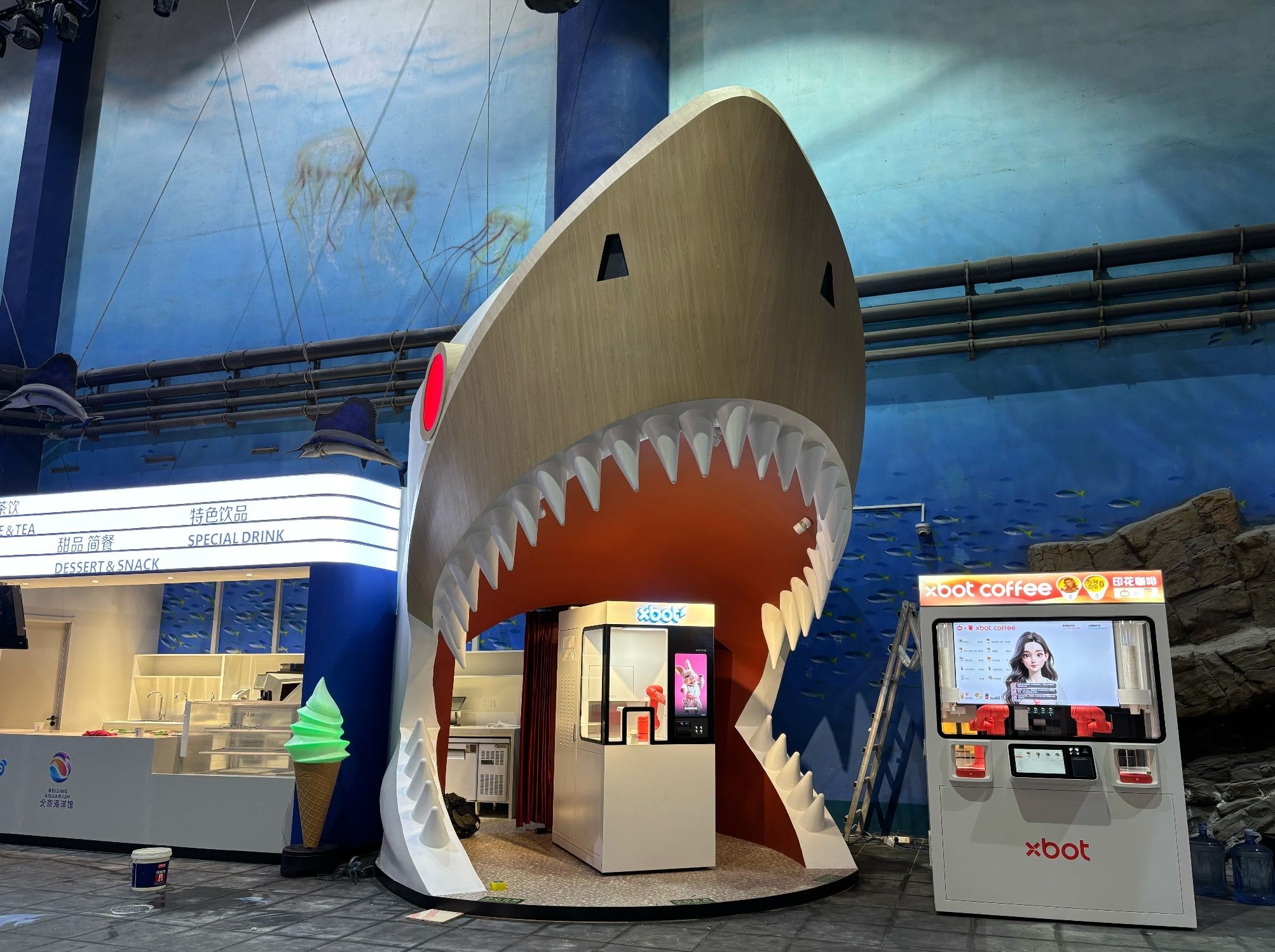
In those environments, compact automated coffee systems can unlock deployment opportunities that traditional café formats often struggle to support efficiently.
A smaller operational footprint.
Longer operating hours.
Lower staffing dependency.
More standardized customer experience.
Those advantages compound over time.
What is often overlooked is that modern automated coffee systems are also becoming increasingly connected to broader retail intelligence systems. Ordering behavior, operational data, inventory management, user preferences, and throughput analytics can all become part of a more integrated retail ecosystem.
At that point, automation stops being just a beverage solution.
It becomes part of a smarter retail operating model.
And that is why many forward-looking operators are no longer evaluating automation purely through the lens of labor replacement or short-term cost reduction.
The more strategic questions now sound different:
Can this model expand into locations we previously could not operate efficiently?
Can it maintain service consistency across multiple sites?
Can it operate longer hours without proportionally increasing operational overhead?
Can it create a more scalable customer experience?
Those are infrastructure questions.
Not novelty questions.
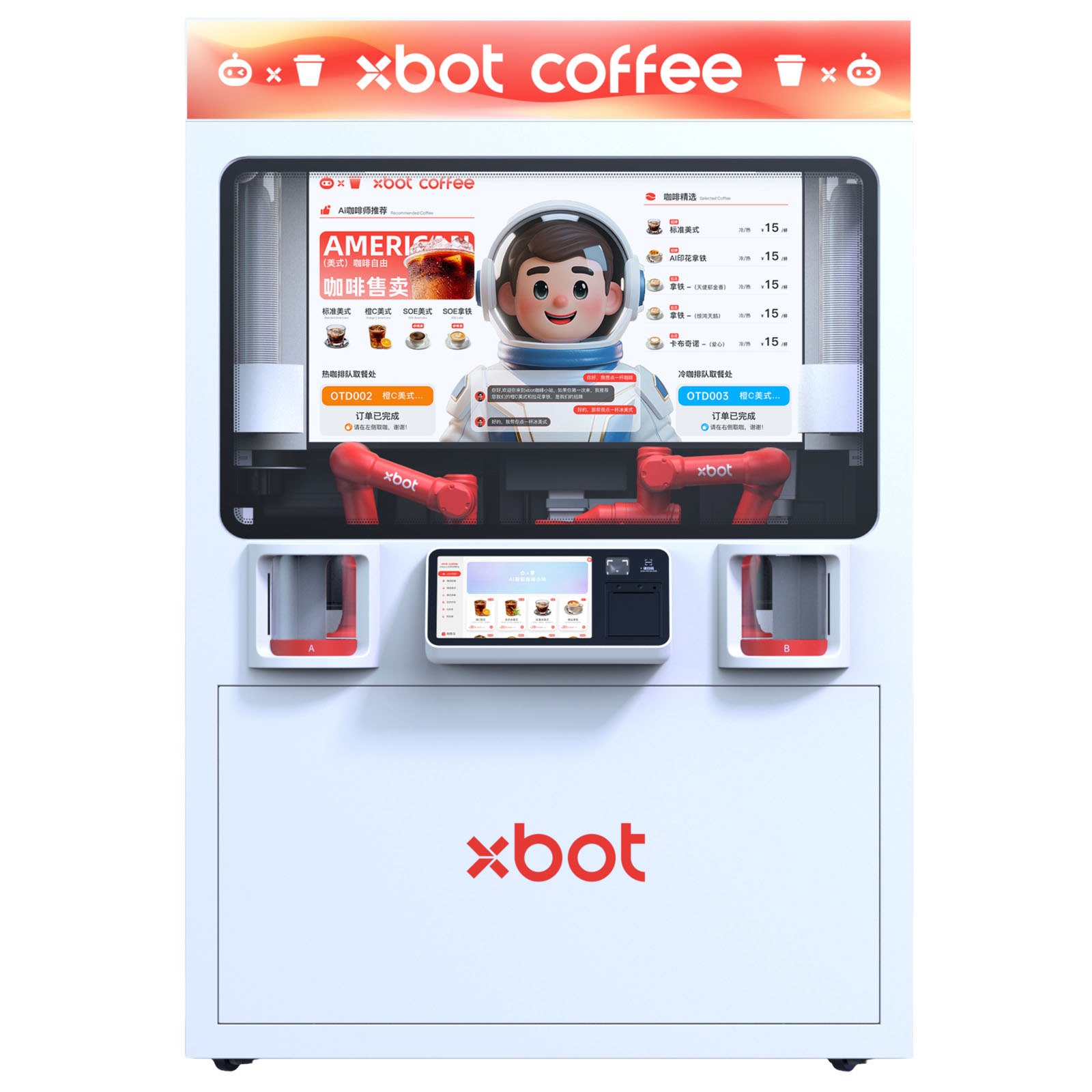
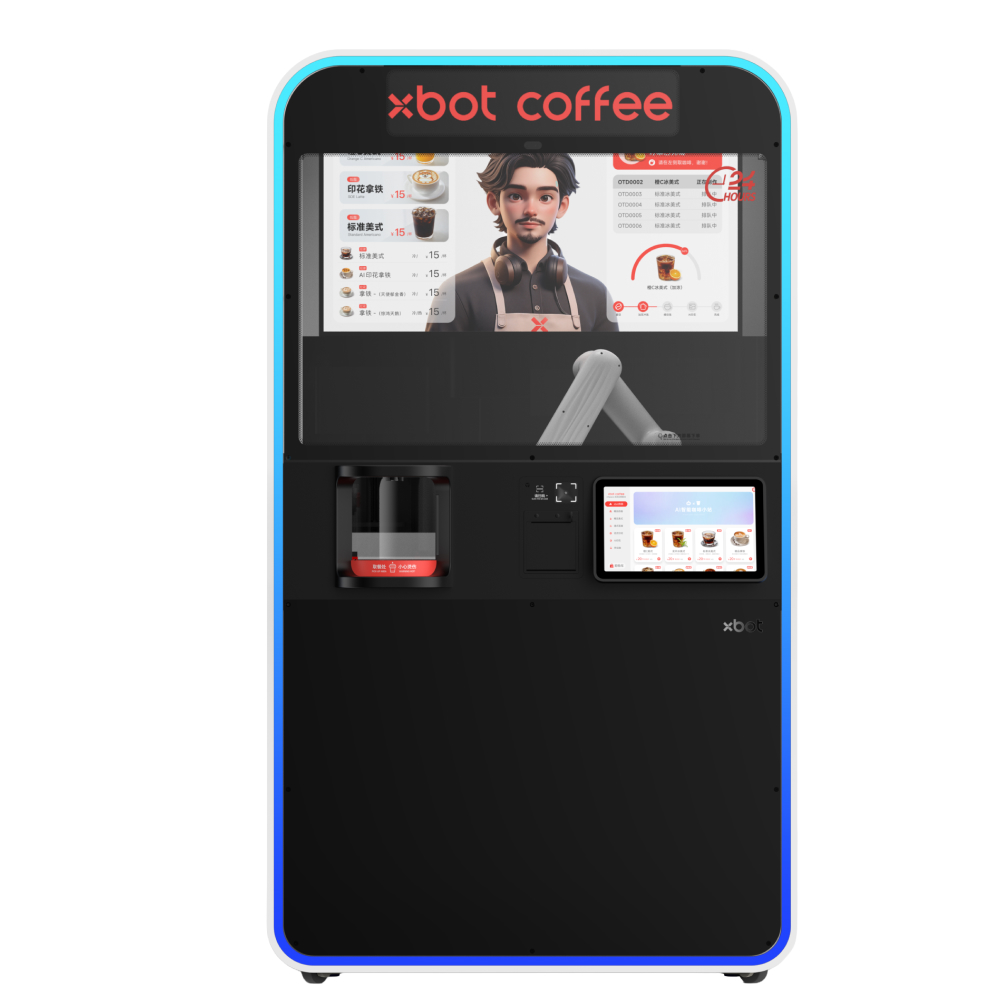
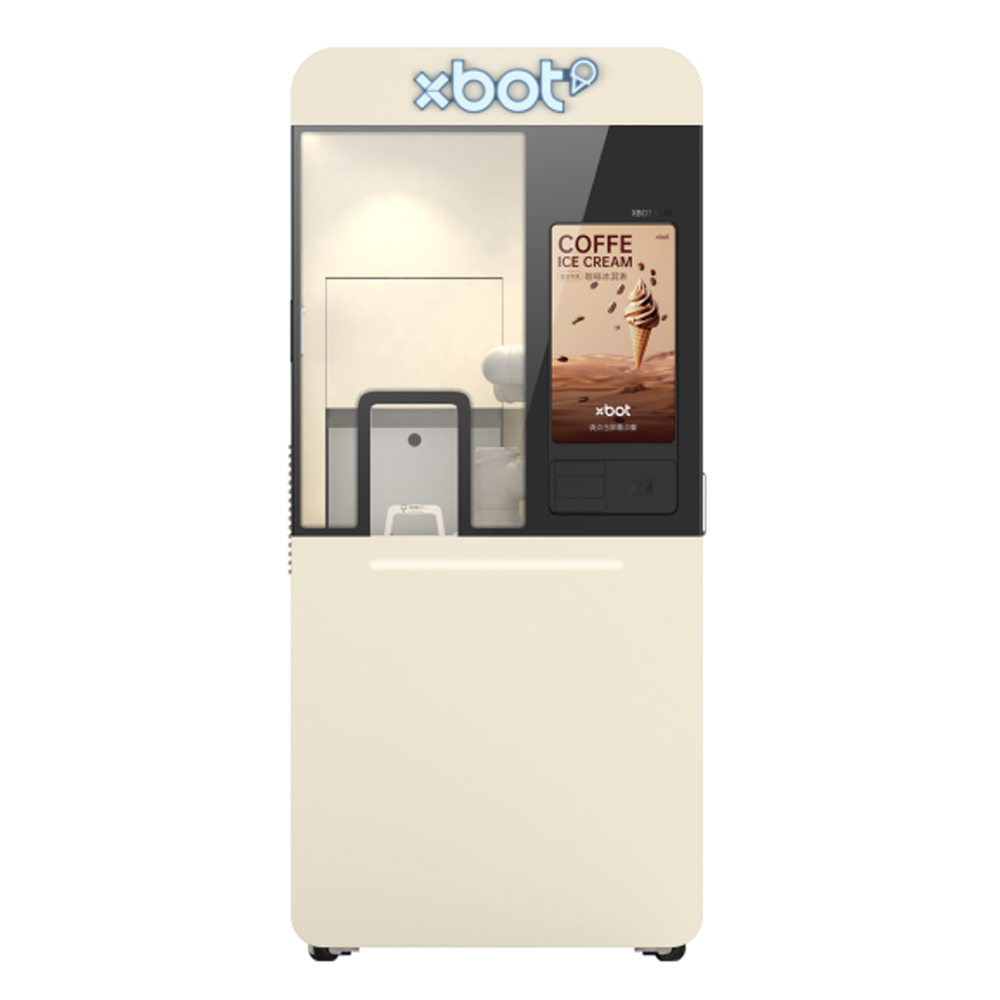
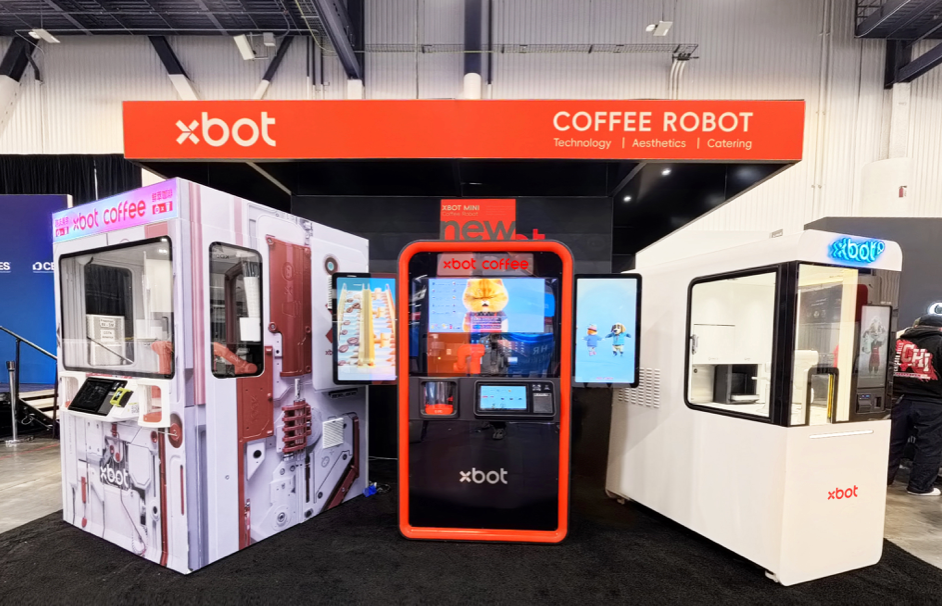
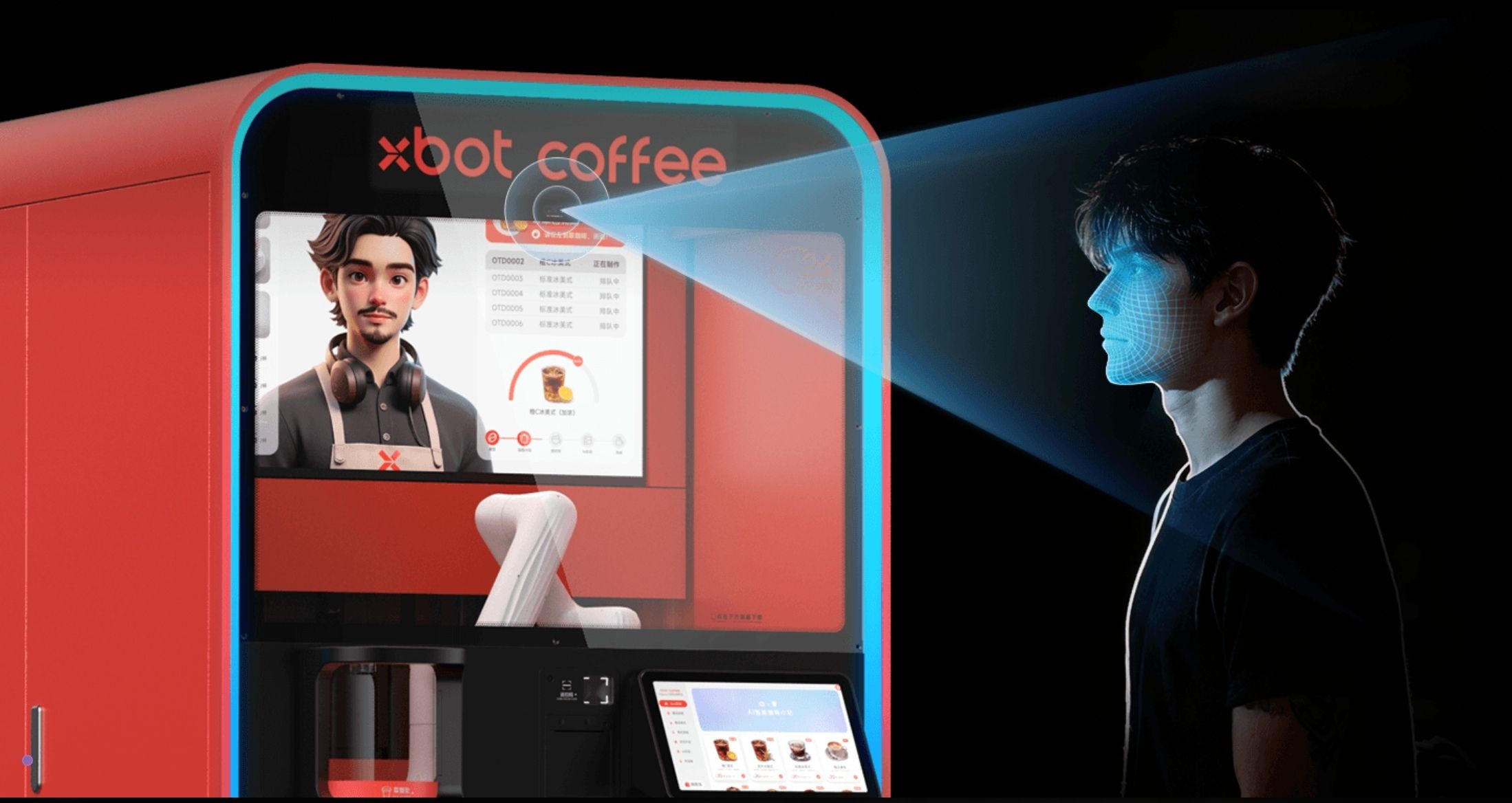
At XBOT, this is how we think about intelligent coffee automation.
Not as a replacement for hospitality, but as a way to make retail beverage operations more scalable, more resilient, and more operationally sustainable in modern commercial environments.
Because ultimately, the future of coffee retail will likely not be defined by choosing between craftsmanship and automation.
The businesses that succeed will be the ones that learn how to combine human creativity with intelligent execution — while building systems capable of scaling consistently in the real world.