
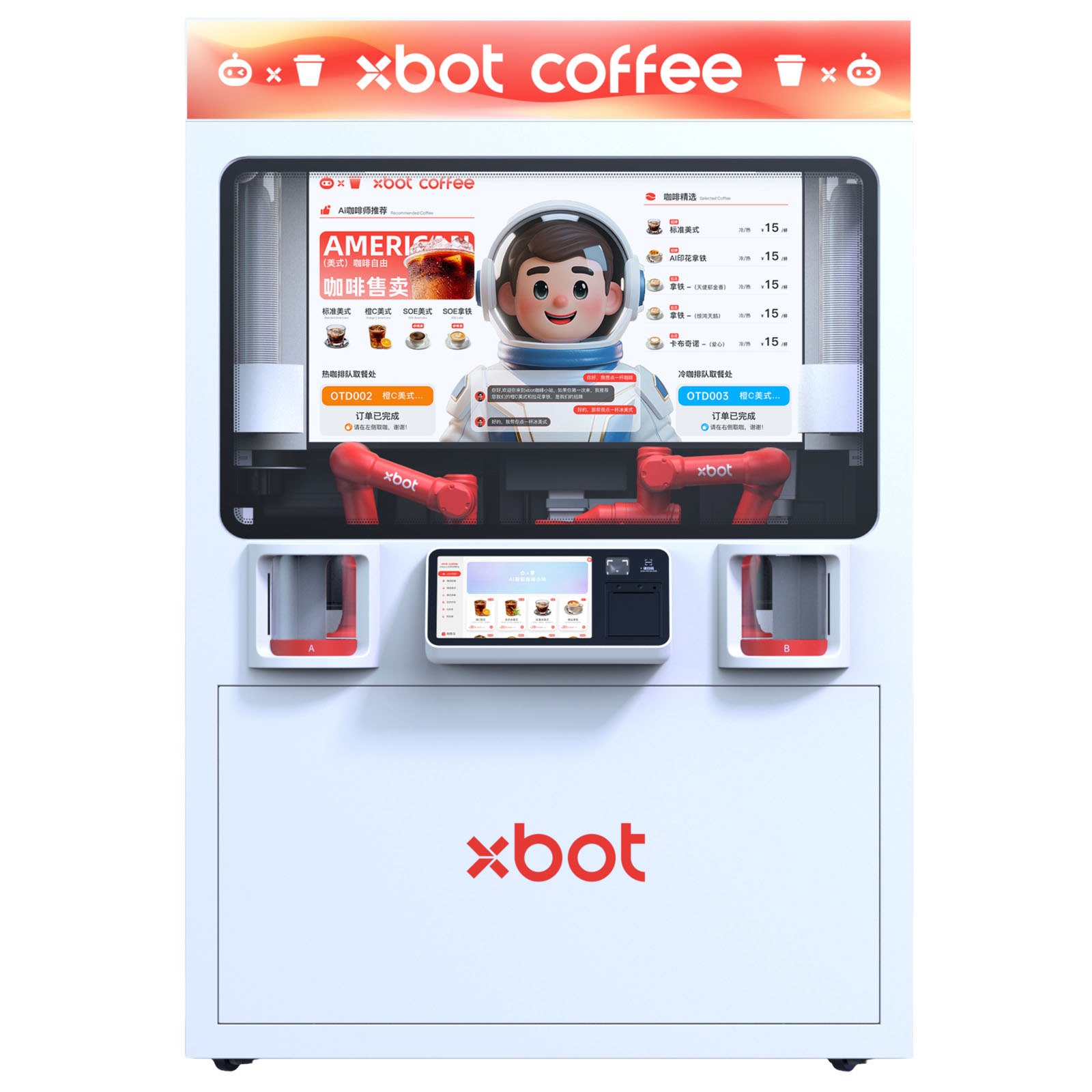
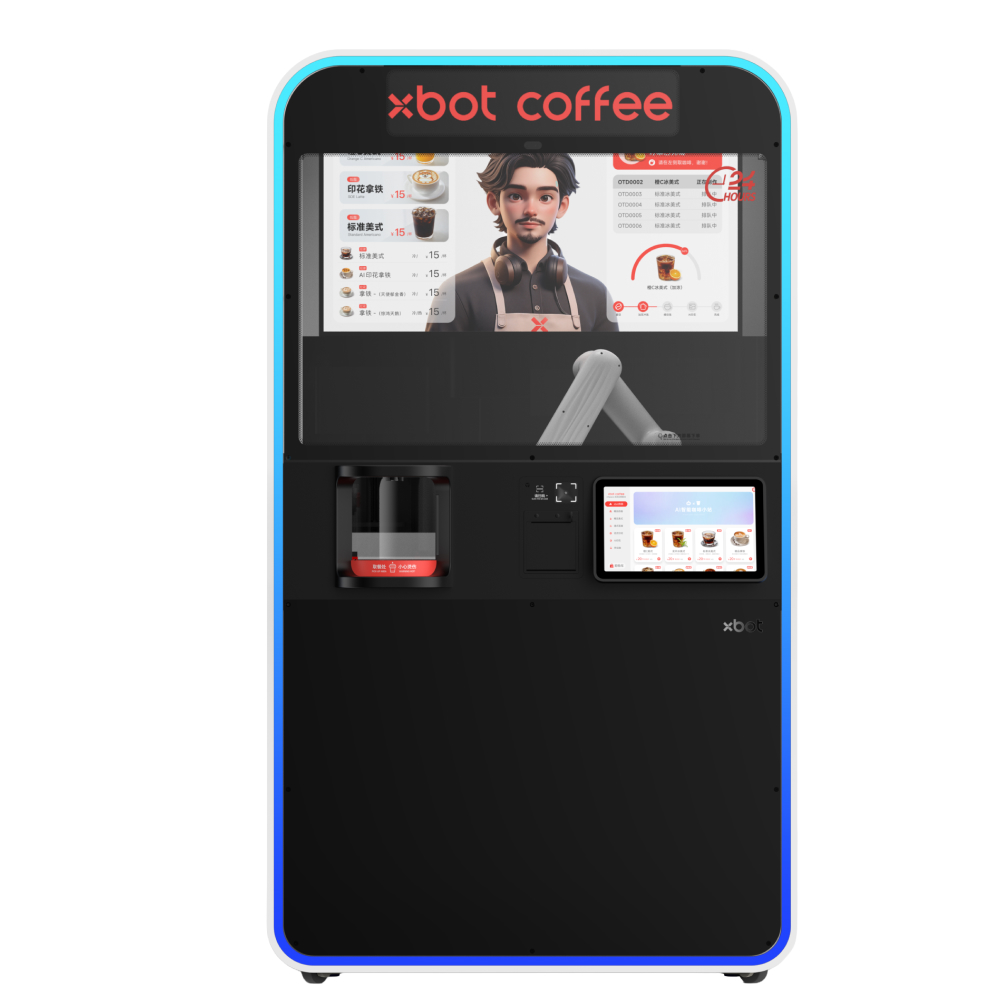
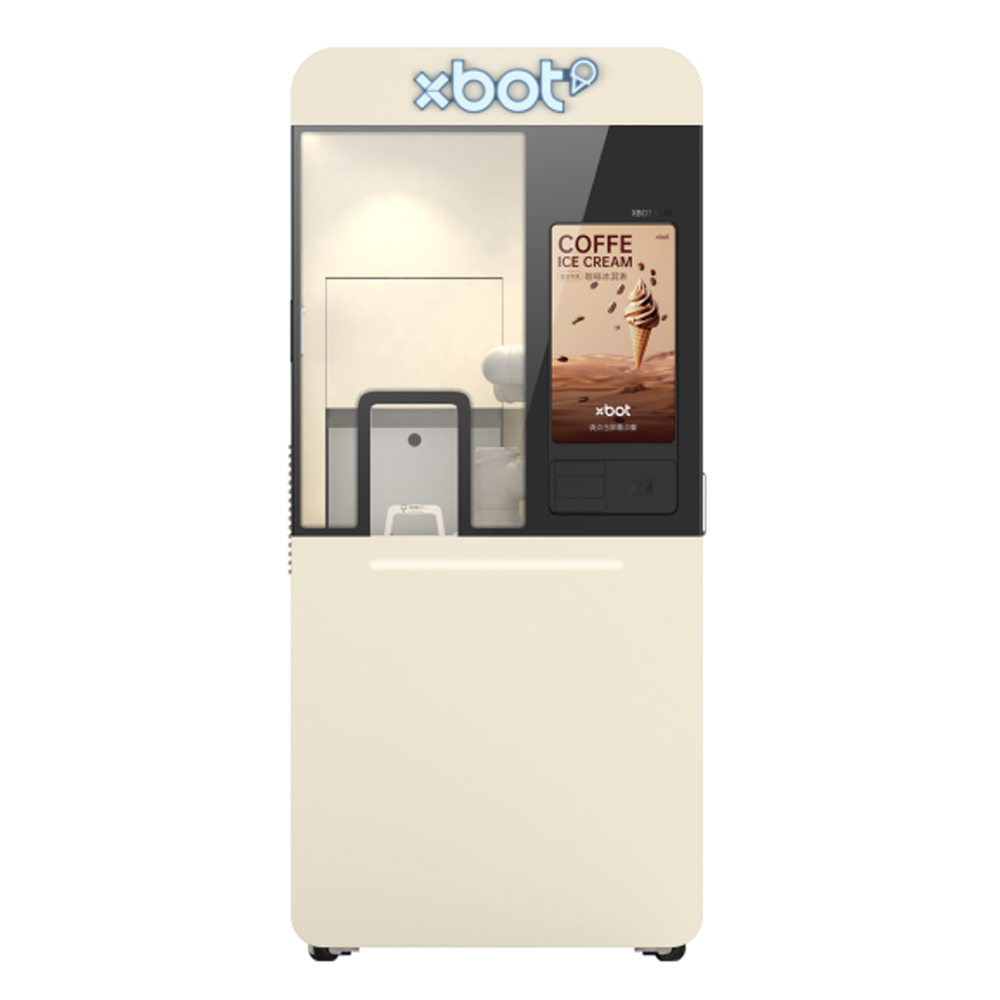
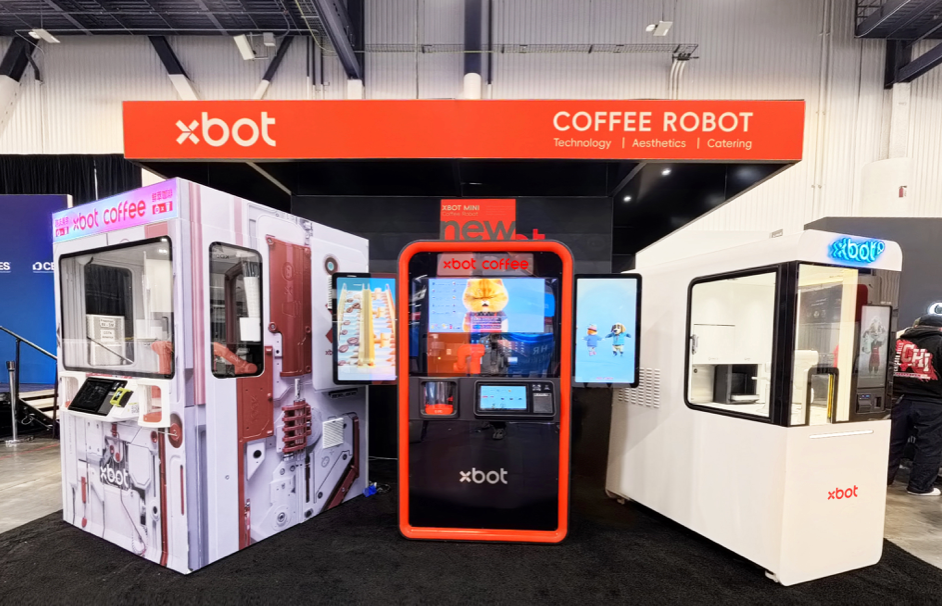
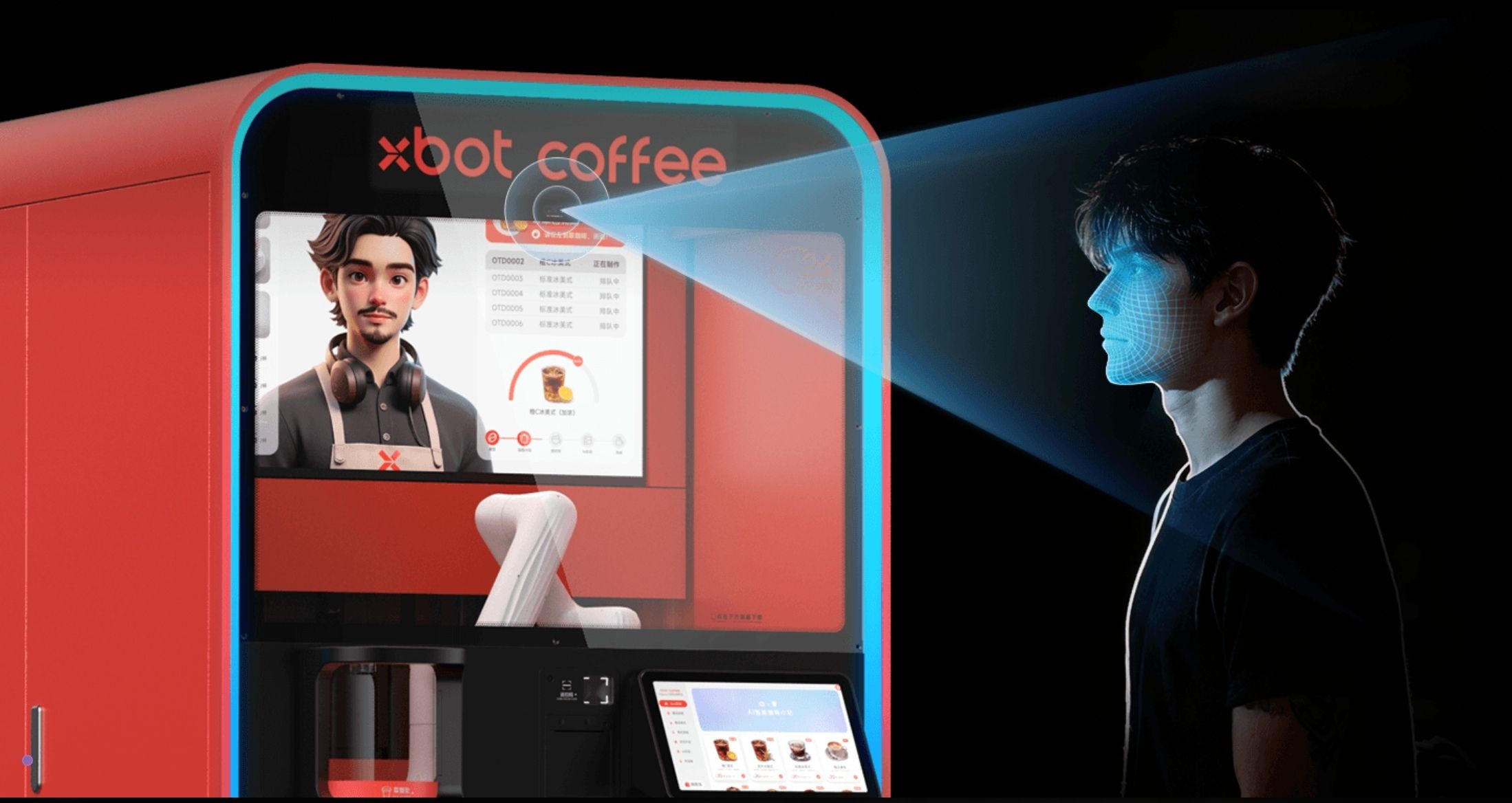
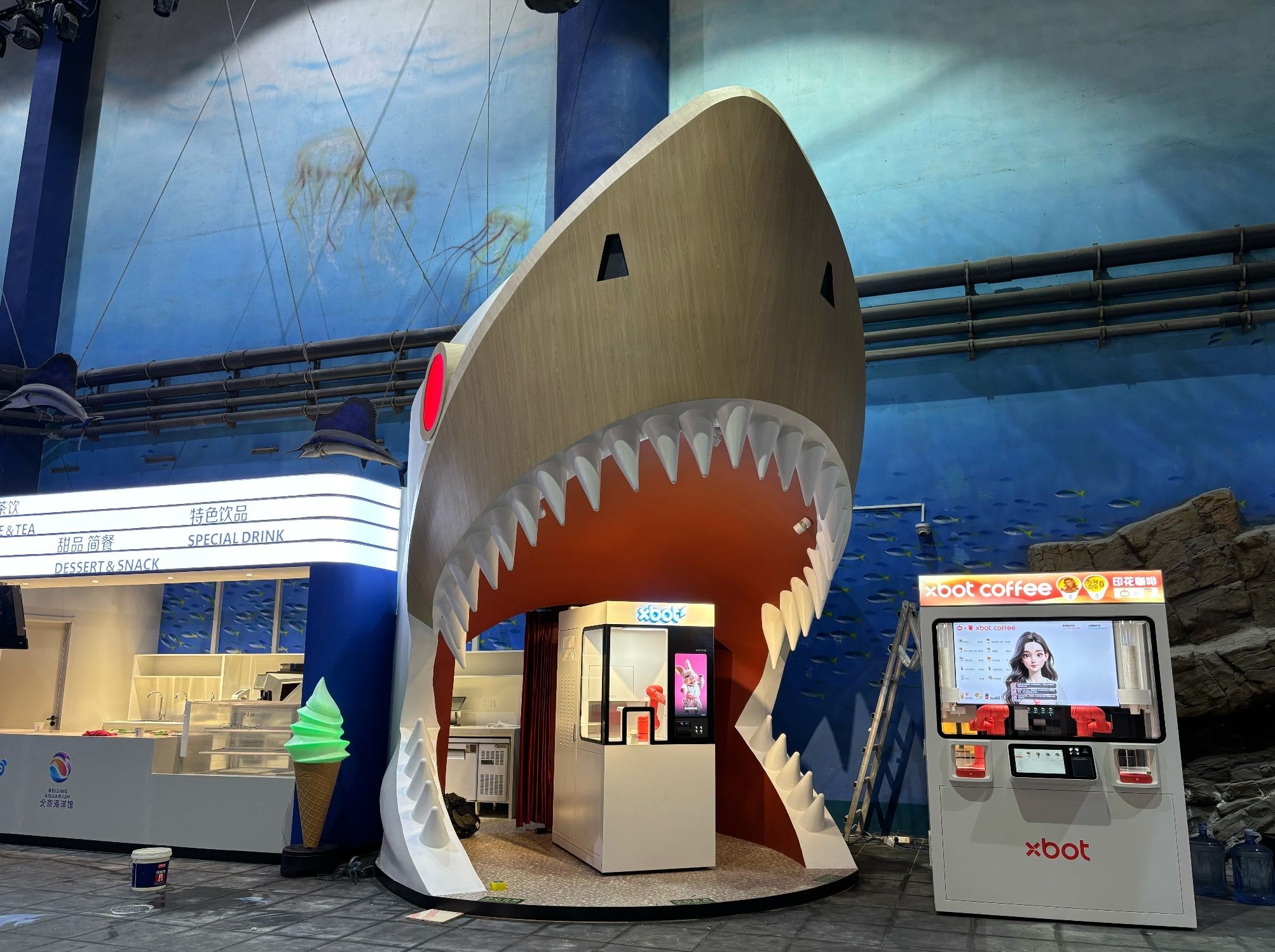
When people first see a robotic coffee machine, the first reaction is usually curiosity.
A robot arm making coffee still feels futuristic to many people. Customers stop to film it, take photos, and watch the process unfold. But after spending more time in this industry, I’ve realized the real value of robotic coffee systems has very little to do with novelty.
The real conversation is about operations.
Across global markets, coffee operators are facing increasingly similar challenges: labor costs continue rising, staff turnover remains high, training takes time, and maintaining consistent product quality across locations becomes harder as businesses scale. Even for well-run stores, profitability is often constrained by rent, labor scheduling, and limited operating hours.
Traditional cafés still create strong customer experiences, but operationally, the model can be fragile. A coffee shop usually depends heavily on people — on whether staff arrive on time, whether drinks are made consistently, whether peak-hour demand can be handled efficiently, and whether the store can continue operating late at night or early in the morning without losing money.
That’s where automated coffee systems begin to change the equation.
A system like XBOT can operate continuously, 24 hours a day, without requiring on-site staff. It can produce hundreds of cups daily while maintaining the same output standard throughout the day. From a business perspective, this doesn’t simply reduce labor costs. It changes how operators think about efficiency altogether.
In many deployment scenarios, the machine is not competing with a traditional café experience. Instead, it fills the operational gaps that traditional models struggle to cover efficiently — late-night demand, transportation hubs, office buildings, residential communities, hospitals, campuses, and other environments where continuous operation matters more than handcrafted service rituals.
What’s also interesting is how customer behavior changes around automation.
People no longer just buy coffee. They increasingly look for experiences worth sharing. One feature we’ve observed generating particularly strong engagement is AI-powered customized latte art. Customers can print selfies, logos, personalized graphics, or seasonal themes directly onto their drinks. The coffee itself becomes interactive content.
From a marketing perspective, this creates something traditional cafés often spend heavily trying to achieve: organic social exposure. Customers naturally record and share the experience themselves, turning the product into part of the brand’s distribution channel.
But beyond the customer-facing experience, one of the biggest shifts is happening on the operational side.
Modern automated systems are increasingly data-driven. Operators can monitor revenue, order volume, machine performance, customer traffic, and sales trends remotely through centralized dashboards. In many ways, the business starts functioning less like a traditional café and more like a scalable retail infrastructure system.
I think this is the part many people underestimate.
Retail automation is not simply about replacing labor with machines. It’s about reducing operational uncertainty. Consistency becomes easier to replicate. Expansion becomes easier to manage. Revenue hours become longer. And the overall business becomes less dependent on the variability of human operations.
Of course, robotic coffee systems won’t replace every café. Nor should they. Traditional cafés will always have cultural and social value that automation cannot fully replicate.
But as commercial real estate, retail operators, and food service brands continue looking for more scalable and efficient models, autonomous coffee systems are starting to move from “interesting technology” to practical business infrastructure.
And honestly, that shift is happening much faster than most people expected.