
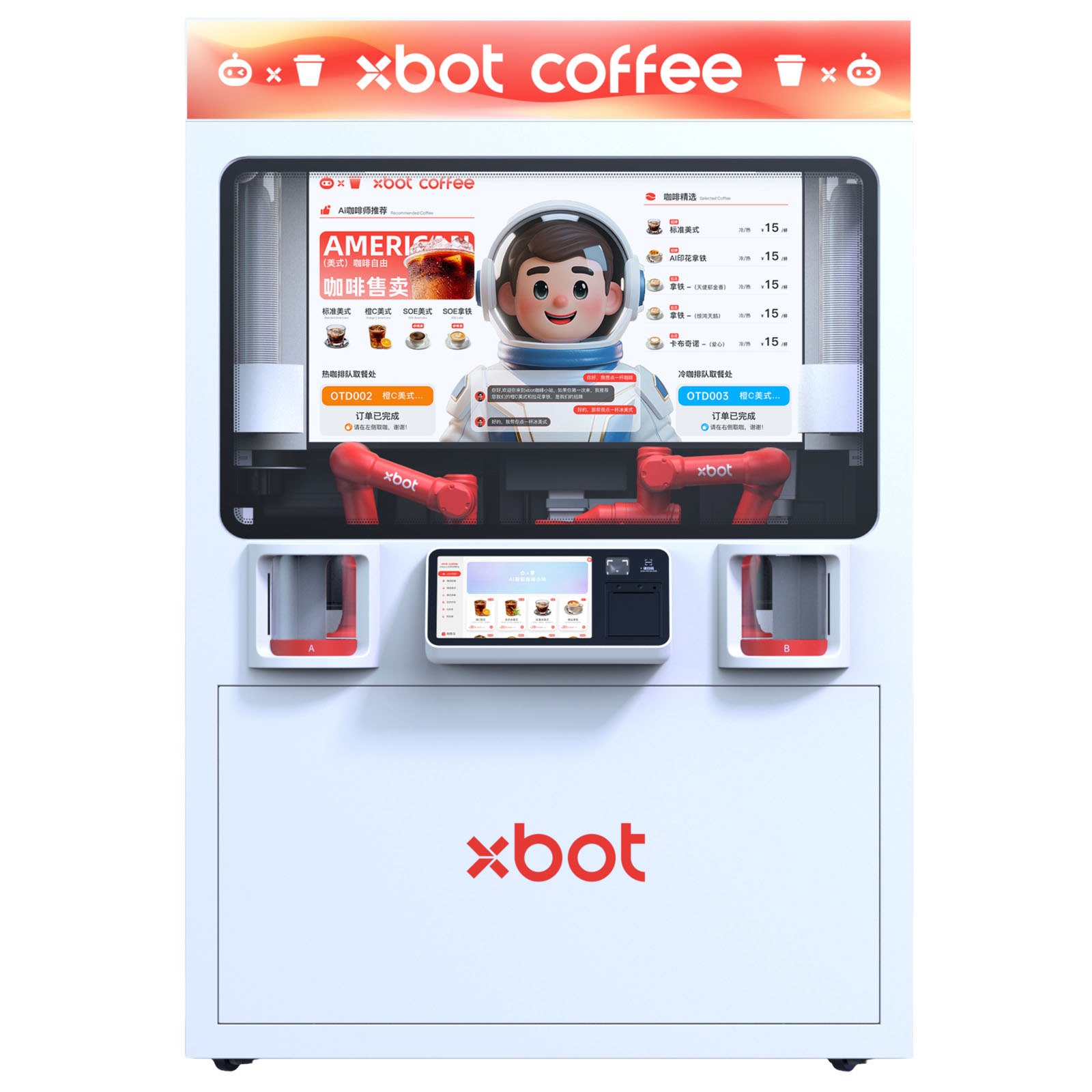
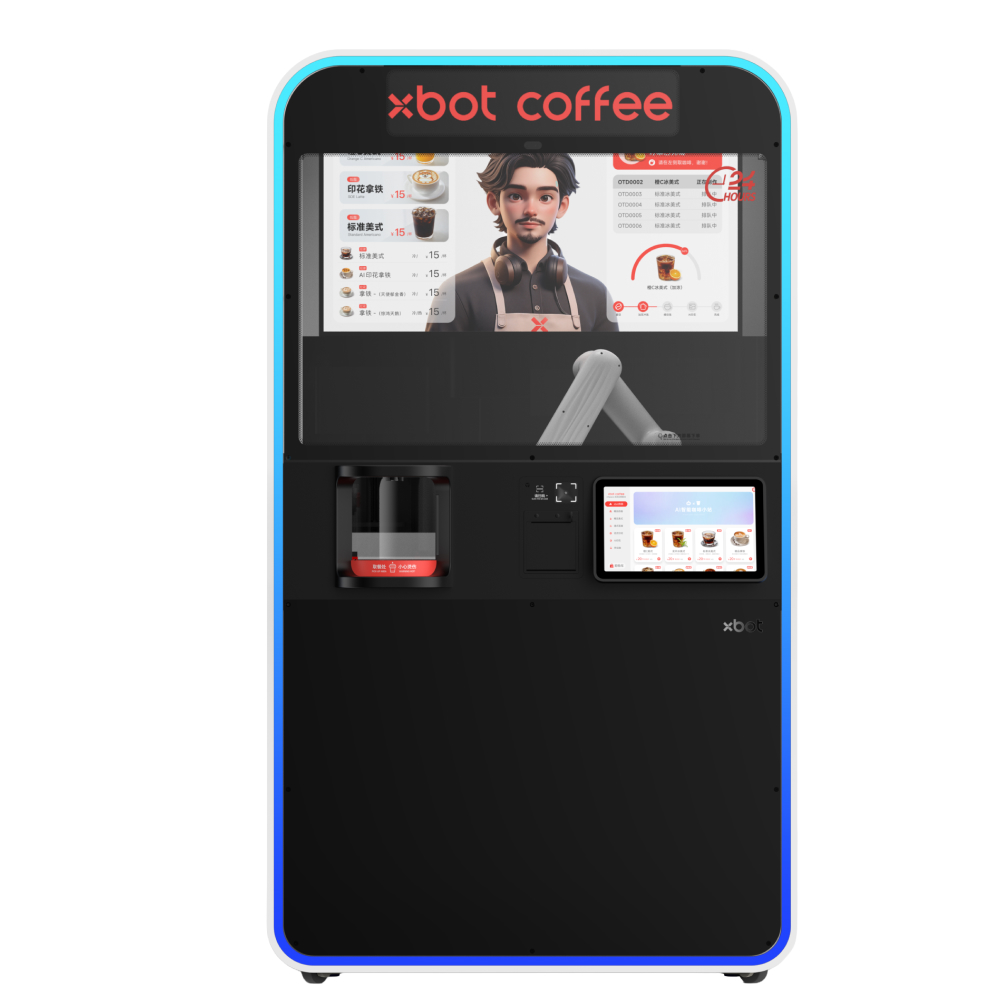
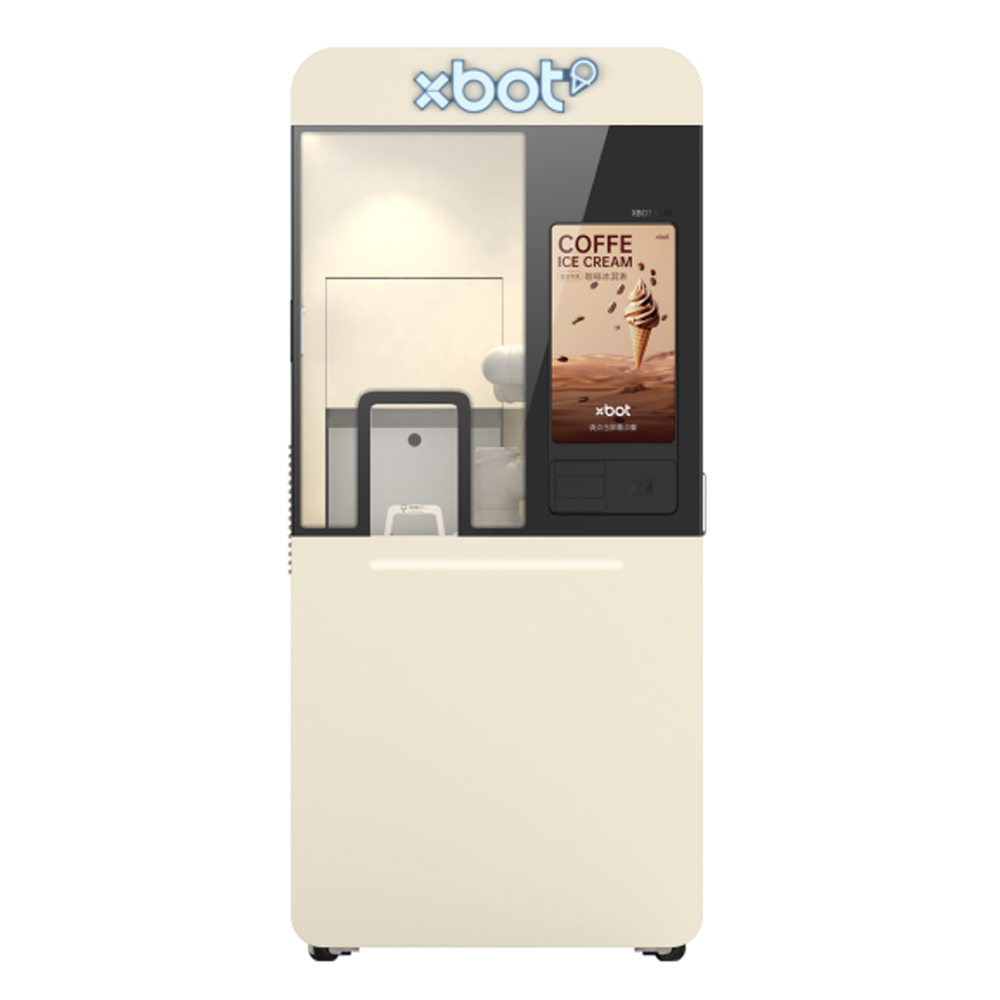
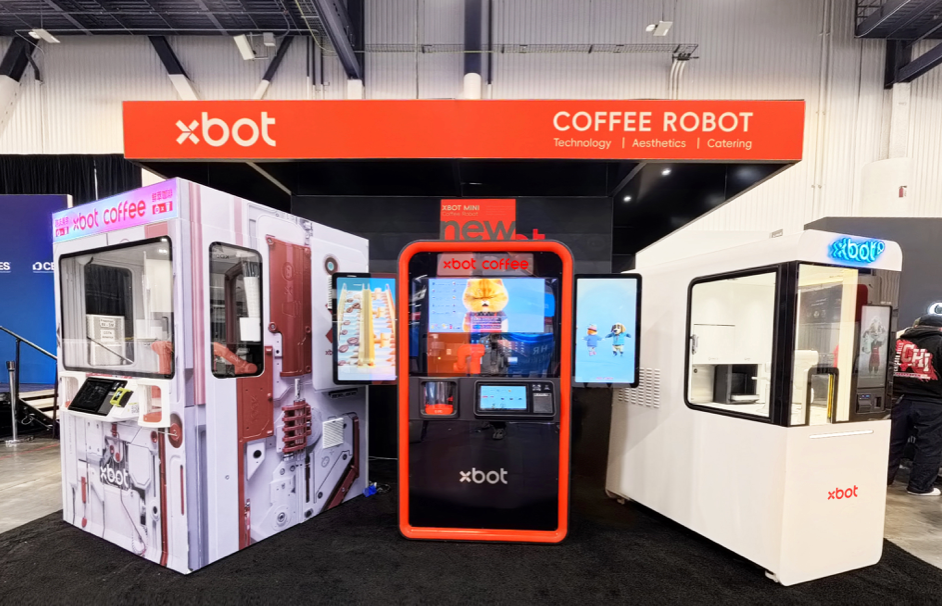
For many kiosk operators in the U.S., the biggest challenge is not selling coffee.
It is operating consistently at scale.
Over the past few years, unattended retail, self-service kiosks, and automated food service models have expanded rapidly across airports, hospitals, universities, transit hubs, and commercial retail spaces. But as the market grows, so does operational pressure behind the scenes.
Labor costs continue rising.
Commercial rent remains expensive.
Customer expectations are higher than ever.
And maintaining consistency across multiple locations has become increasingly difficult.
This is why more operators are starting to rethink what beverage automation actually means.
The conversation is no longer just about novelty or technology. It is becoming a discussion about operational sustainability.
Because for most kiosk businesses, the real challenge is not whether coffee can sell.
The real challenge is whether the operating model around it can scale efficiently.
Traditional coffee operations often depend heavily on staffing, training, supervision, and day-to-day execution. Even relatively small beverage programs can introduce operational friction — especially in high-traffic environments where speed and consistency directly affect customer experience.
And inconsistency is expensive.
Different staff performance, varying drink quality, peak-hour slowdowns, maintenance coordination, and labor scheduling issues all create operational instability over time. For operators managing multiple sites, those problems scale quickly.
This is one of the reasons automation is gaining more attention across the U.S. kiosk industry.
Not simply because robots look futuristic, but because operators are looking for more predictable systems.
A well-designed automated coffee model can help reduce dependency on labor-intensive workflows while creating more standardized operations across locations. In many cases, the value of automation is not just efficiency.
It is operational control.
That becomes especially important in environments where space is limited and rent is high.
In cities like New York, Los Angeles, Seattle, and San Francisco — as well as airports, hospitals, and transit hubs — every square foot matters. Operators are under pressure to maximize revenue while minimizing operational burden.
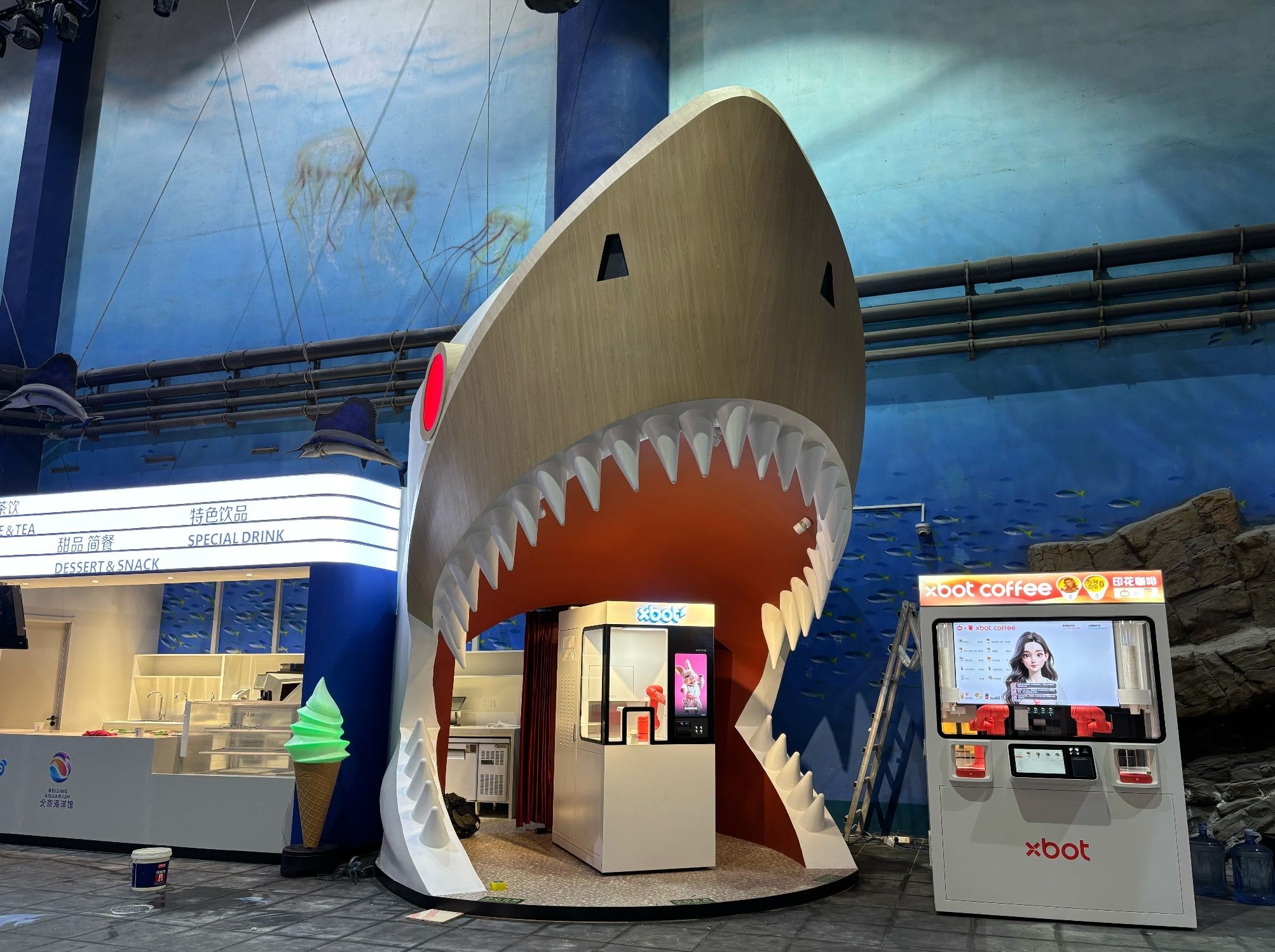
This is where compact automated kiosk models become commercially attractive.
A system that occupies a relatively small footprint, operates autonomously, and generates continuous beverage sales can create a very different type of business equation compared to traditional café models.
And ultimately, most operators evaluate these systems through one lens:
ROI.
The question is rarely:
“Is the technology interesting?”
The real question is:
“Can this model operate profitably and sustainably over time?”
Operators want to understand:
- labor reduction potential
- operating consistency
- maintenance predictability
- deployment flexibility
- throughput capability
- payback period
If those variables are unclear, adoption becomes difficult regardless of how advanced the technology appears.
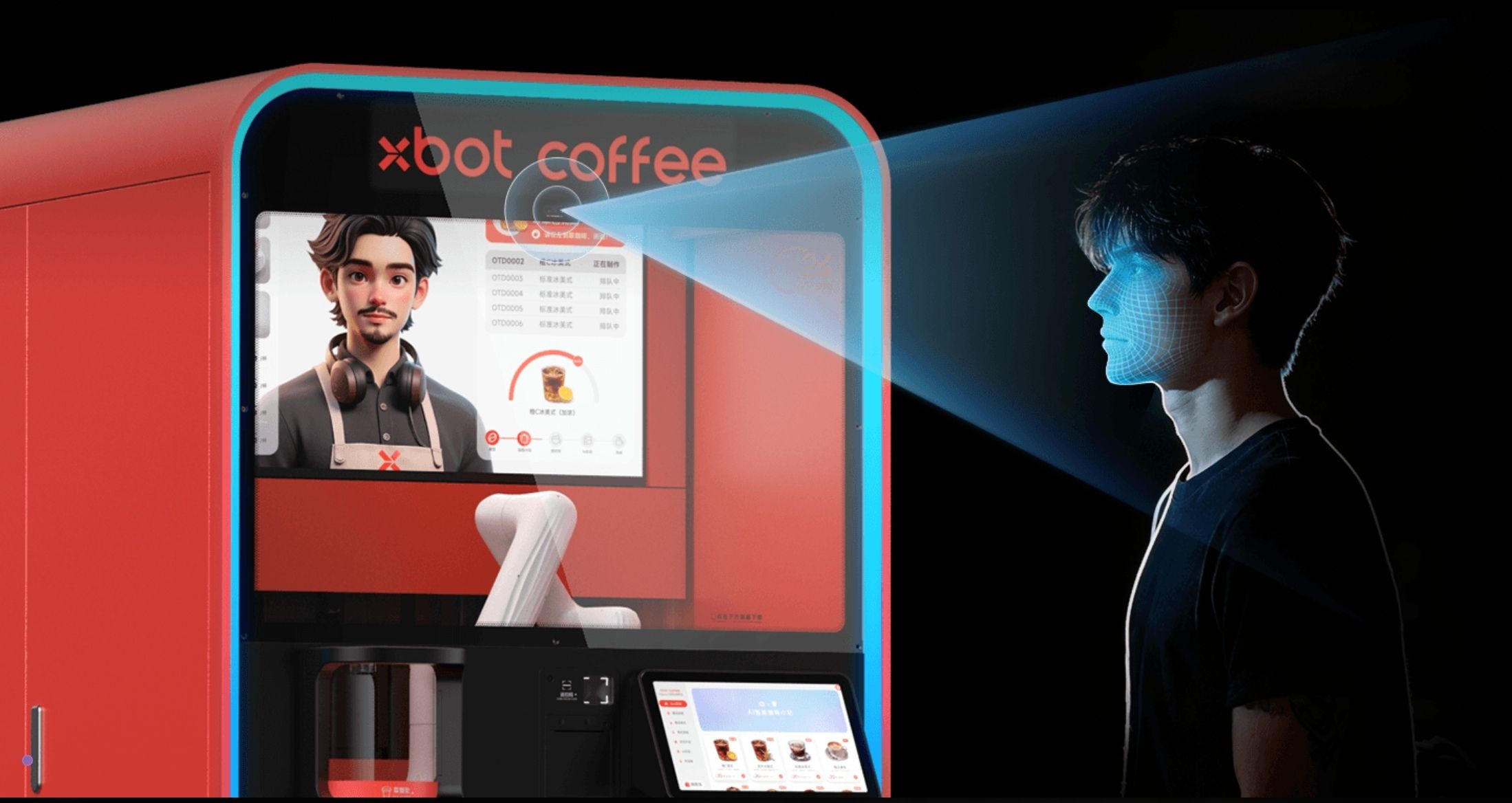
At XBOT, this is how we think about automation.
Not simply as robotic coffee equipment, but as part of a more scalable retail operating model.
For kiosk operators, the goal is not replacing people entirely. The goal is reducing operational uncertainty while improving consistency, uptime, and deployment flexibility across different commercial environments.
That includes:
- reducing labor dependency
- maintaining stable beverage quality
- operating for longer hours
- deploying efficiently in smaller spaces
- creating more repeatable retail workflows
Because ultimately, the future of unattended retail will likely be shaped less by novelty and more by operational practicality.
The operators that scale successfully will not necessarily be the ones with the most complex technology.
They will be the ones with the most sustainable operating model.