
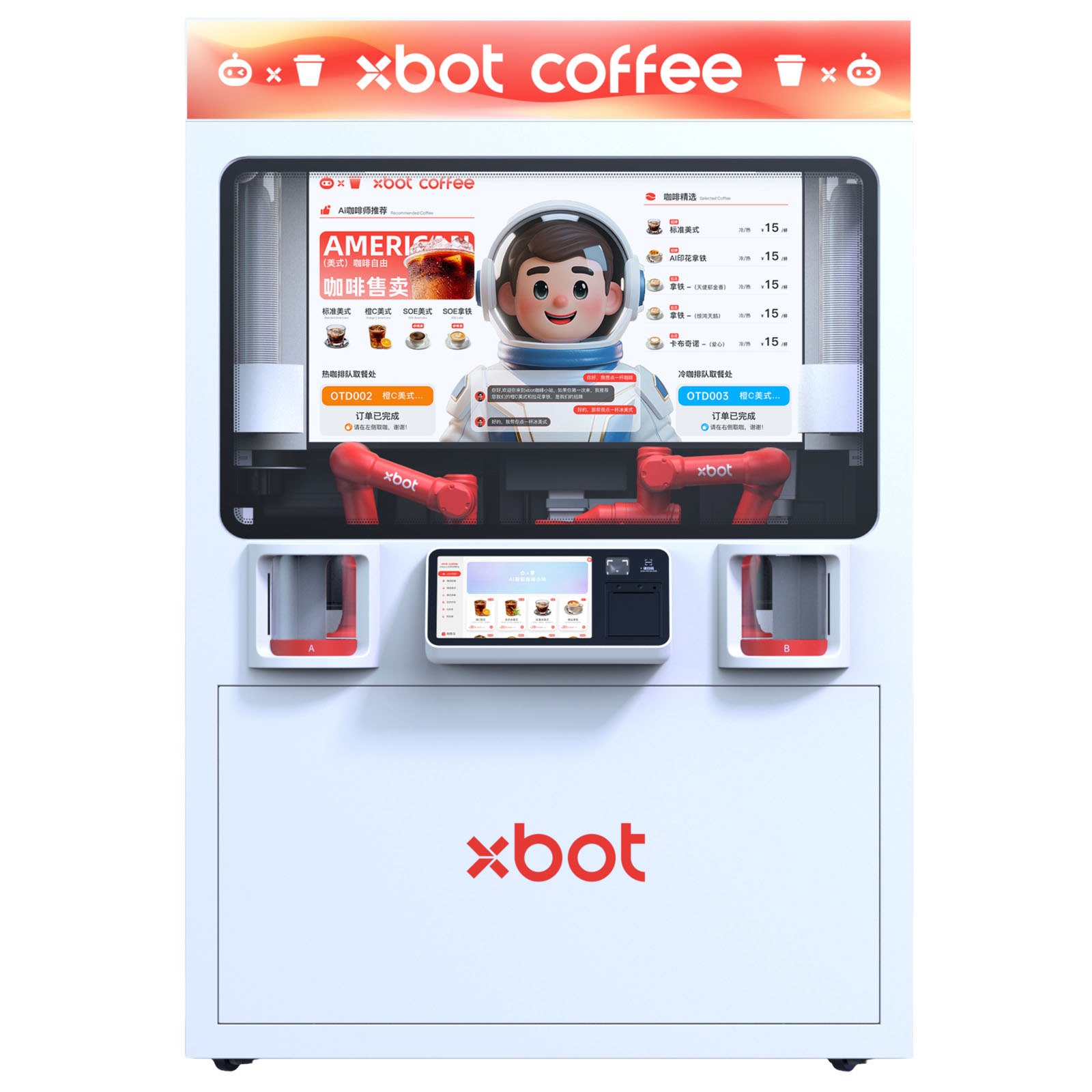
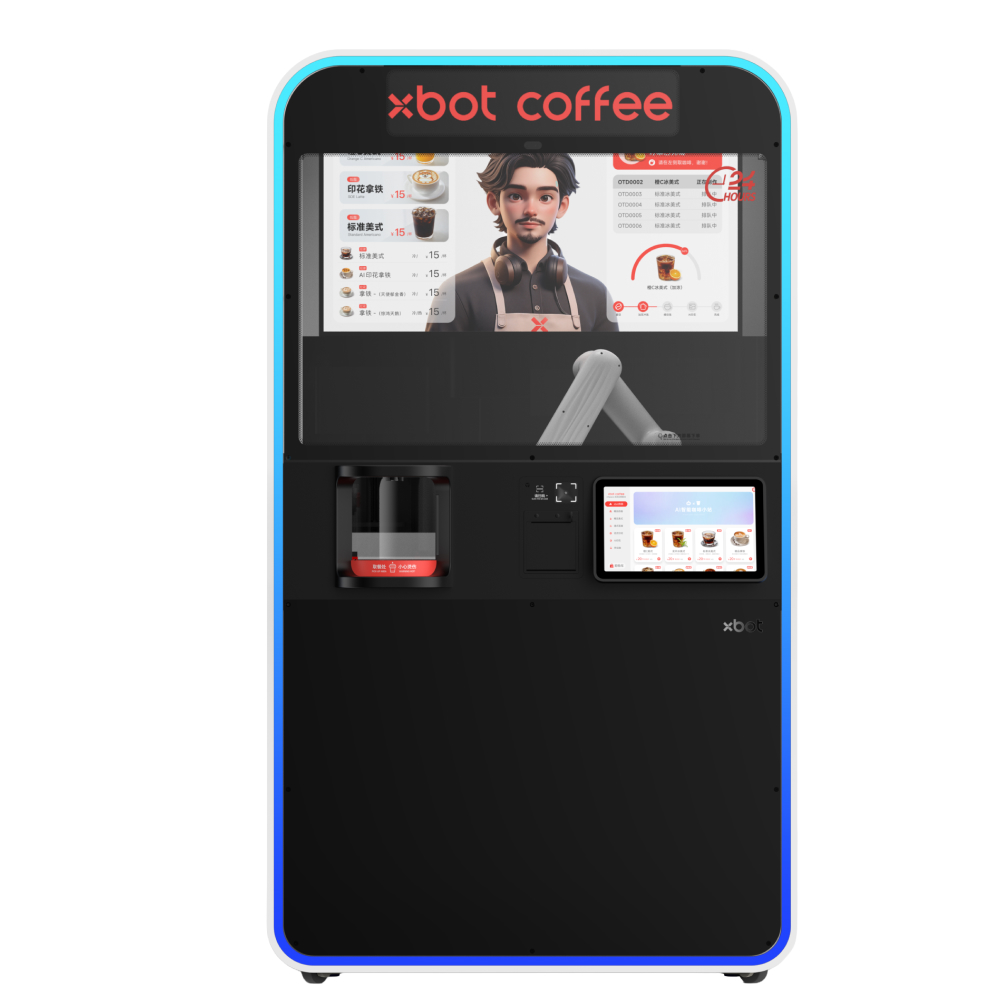
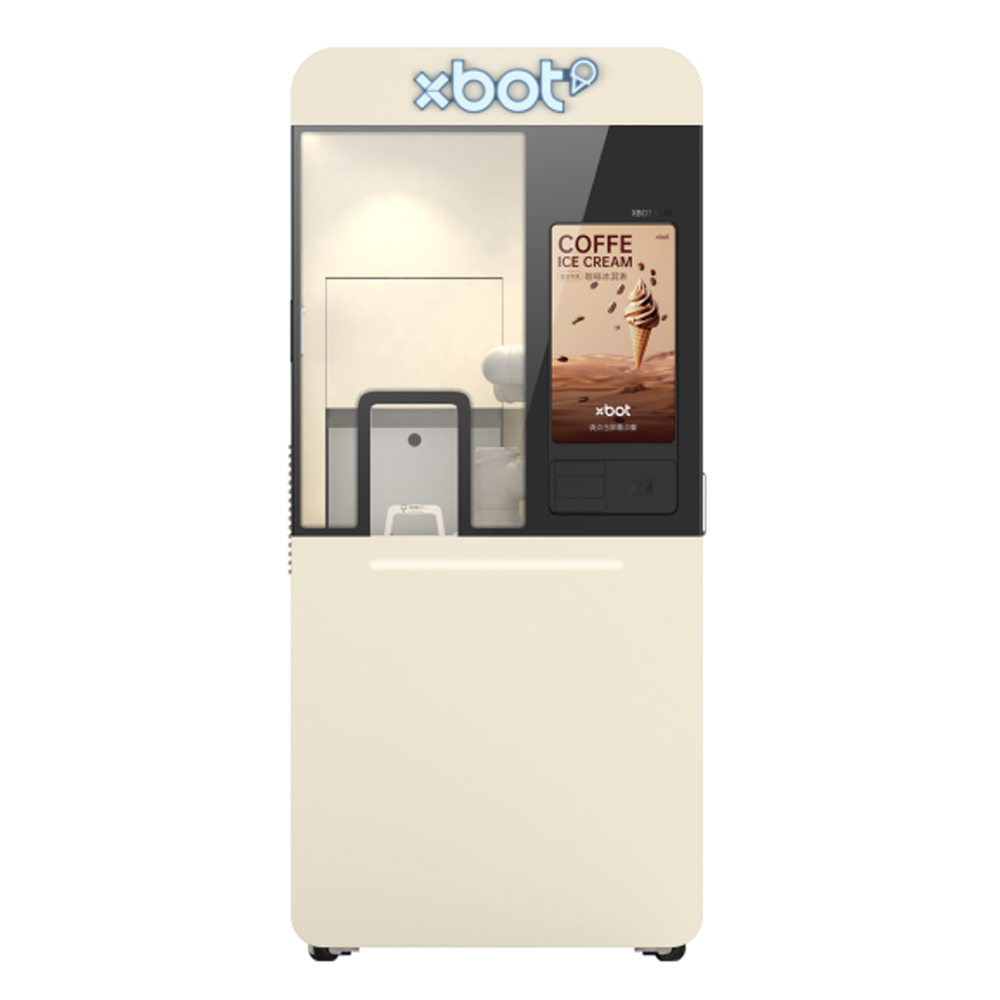
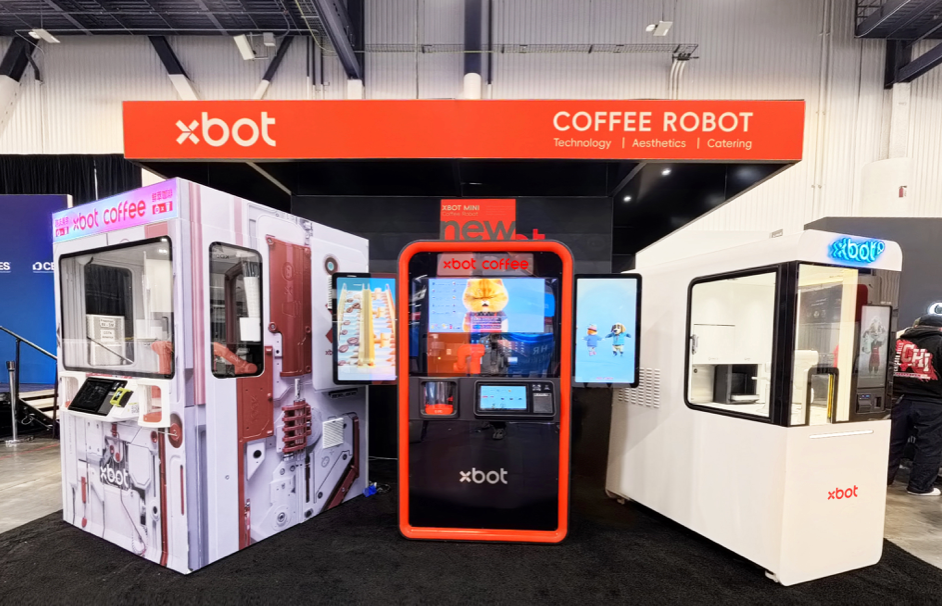
For a long time, coffee in retail was treated as a relatively simple addition to the customer experience.
A convenience feature.
A secondary revenue stream.
Something designed to make a space feel more welcoming.
But retailers are starting to look at coffee very differently.
Today, coffee is no longer just a beverage decision. Increasingly, it is becoming an operations decision — one connected to labor efficiency, service consistency, deployment flexibility, and the overall economics of running a retail environment.
That shift matters because modern retail is under pressure from multiple directions at once. Operators are expected to improve customer experience while also managing tighter margins, rising labor costs, staffing instability, and increasing demands on frontline execution.
And this is where coffee becomes more complicated than it first appears.
In theory, adding coffee sounds simple. In practice, beverage service introduces an entirely new operational layer into the business. It requires staffing, training, supervision, quality control, maintenance, and consistency across different shifts and locations.
For many retailers, the issue is not whether coffee has value.
The issue is whether the operating model behind it is sustainable.
That distinction is becoming increasingly important across retail environments where efficiency and repeatability matter more than ever.
Retailers are not rejecting coffee as a business opportunity.
They are rejecting operational complexity.
This is one of the reasons automation is gaining more serious attention in the beverage space.
The conversation around automated coffee systems is often framed around novelty or labor replacement. But the deeper value of automation has less to do with spectacle and more to do with operational control.
Because in retail, inconsistency is expensive.
A beverage program that depends heavily on manual execution can create variability in product quality, service speed, customer experience, and operational efficiency. Those issues become even harder to manage across multiple locations or high-traffic environments.
Automation changes that equation.
Not because machines are inherently more interesting than people, but because standardized systems are often easier to scale.
A well-designed automated coffee solution can help retailers create more predictable workflows, more consistent output, and lower dependency on individual staff performance. In many environments, that operational stability is far more valuable than the technology itself.
And that is where the discussion becomes more strategic.
Retailers investing in coffee automation are not simply buying a machine that dispenses beverages.
They are investing in a more manageable service model.
What they are really evaluating is whether beverage service can operate with:
- less operational friction
- lower labor dependency
- more consistent execution
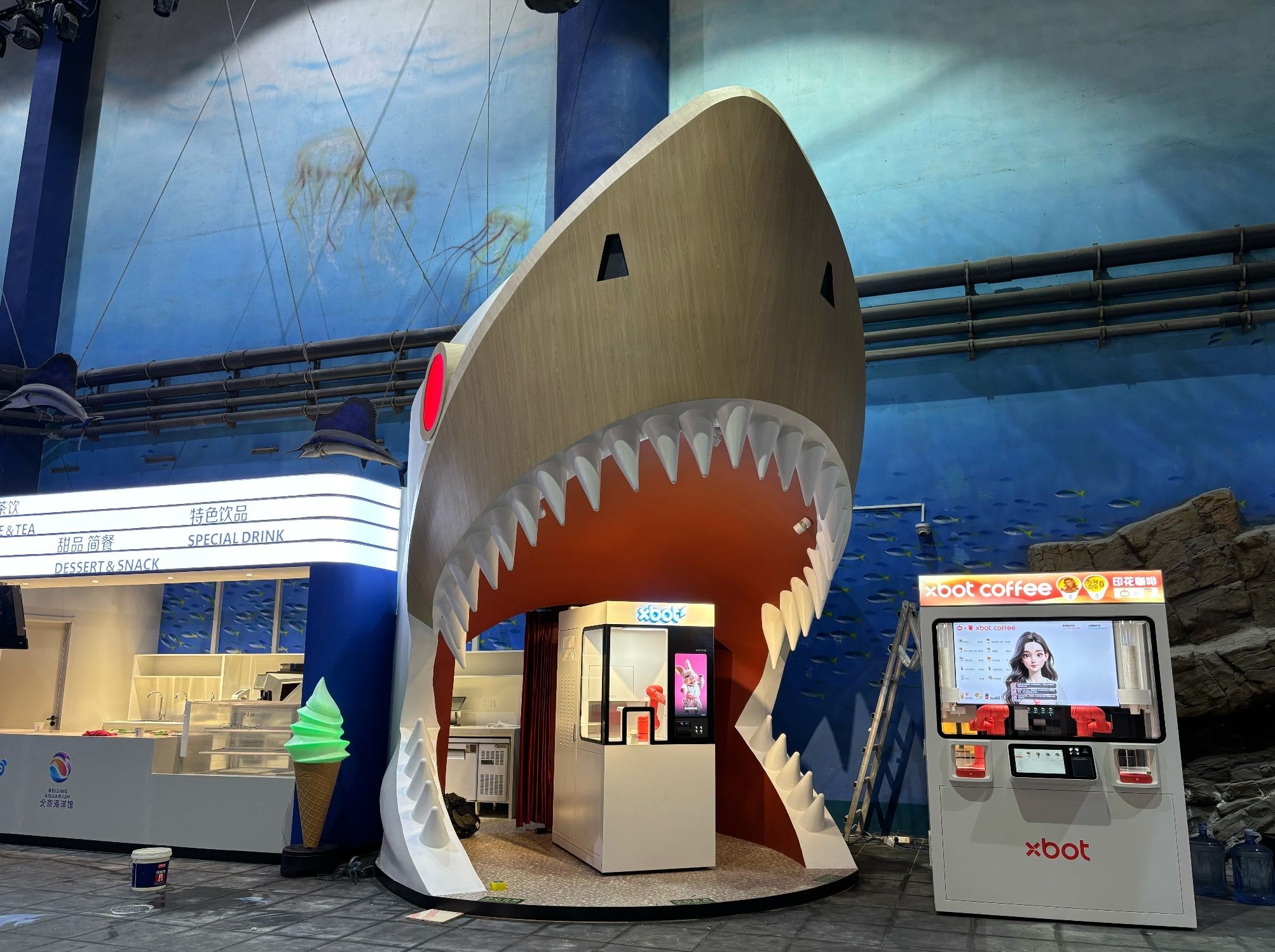
- easier deployment across different commercial environments
That shift in perspective changes how automation is positioned inside retail businesses.
It stops being a novelty purchase.
It becomes infrastructure.
This is especially relevant as retailers continue looking for ways to increase service value without dramatically increasing labor requirements or operational burden. In many environments, coffee contributes to more than beverage sales alone. It can influence customer dwell time, atmosphere, perceived service quality, and the overall rhythm of a retail space.
But those benefits only matter when the model works operationally.
If service is inconsistent, slow, or difficult to manage, the customer experience eventually suffers as well.
That is why automation is beginning to reshape what “good beverage service” actually means in modern retail environments.
For years, coffee quality was often associated primarily with craftsmanship and manual preparation. That will always remain important in certain premium and specialty experiences.
But many retail environments operate under a different set of priorities.
The question is no longer whether automation can replicate every traditional coffee experience.
The more relevant question is whether automation can create a more scalable and operationally sustainable model for environments where consistency, speed, uptime, and ease of deployment matter most.
In that sense, automation is not replacing service.
It is redefining how service is delivered.
At XBOT, this is how we think about coffee automation.
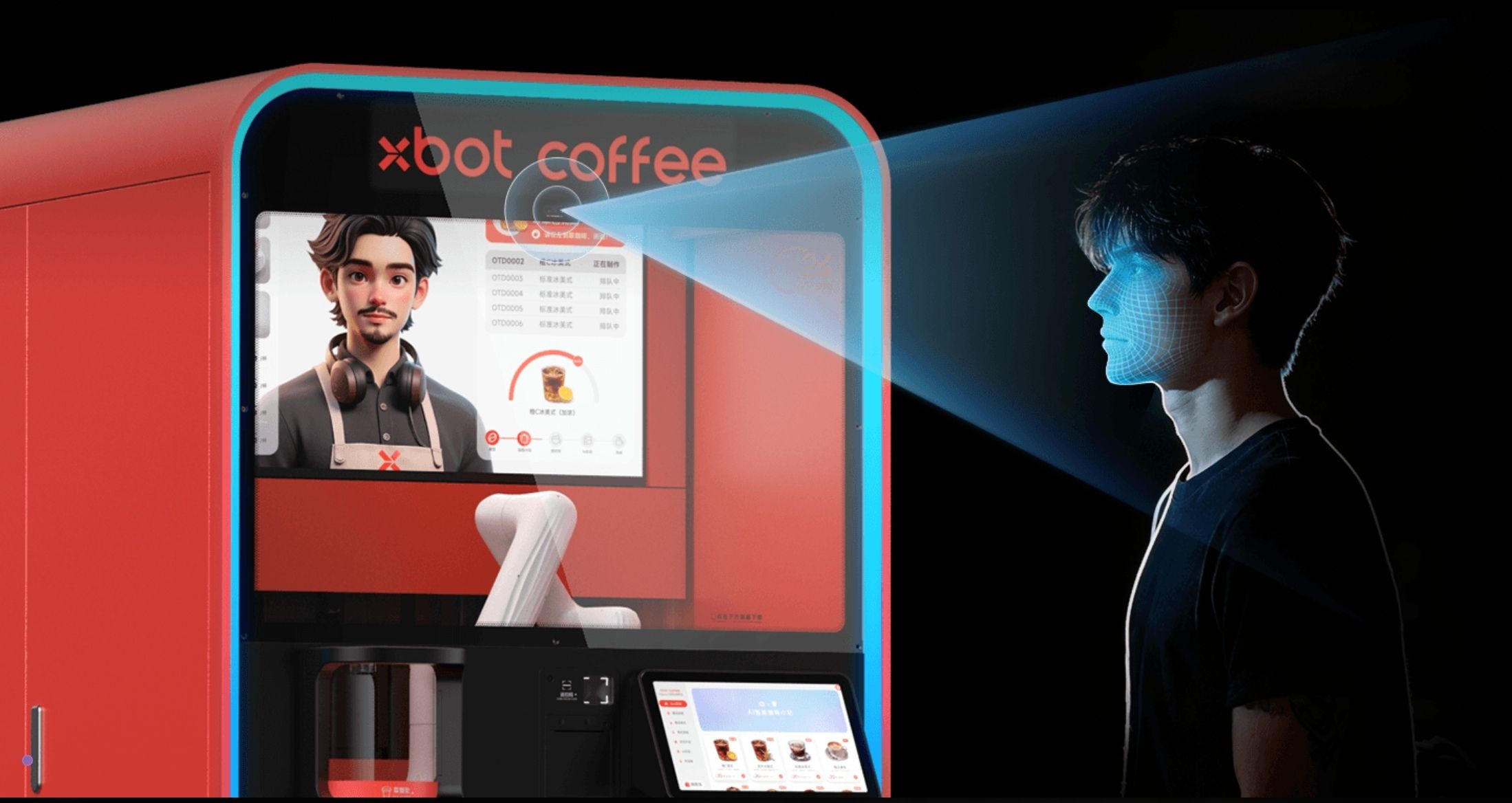
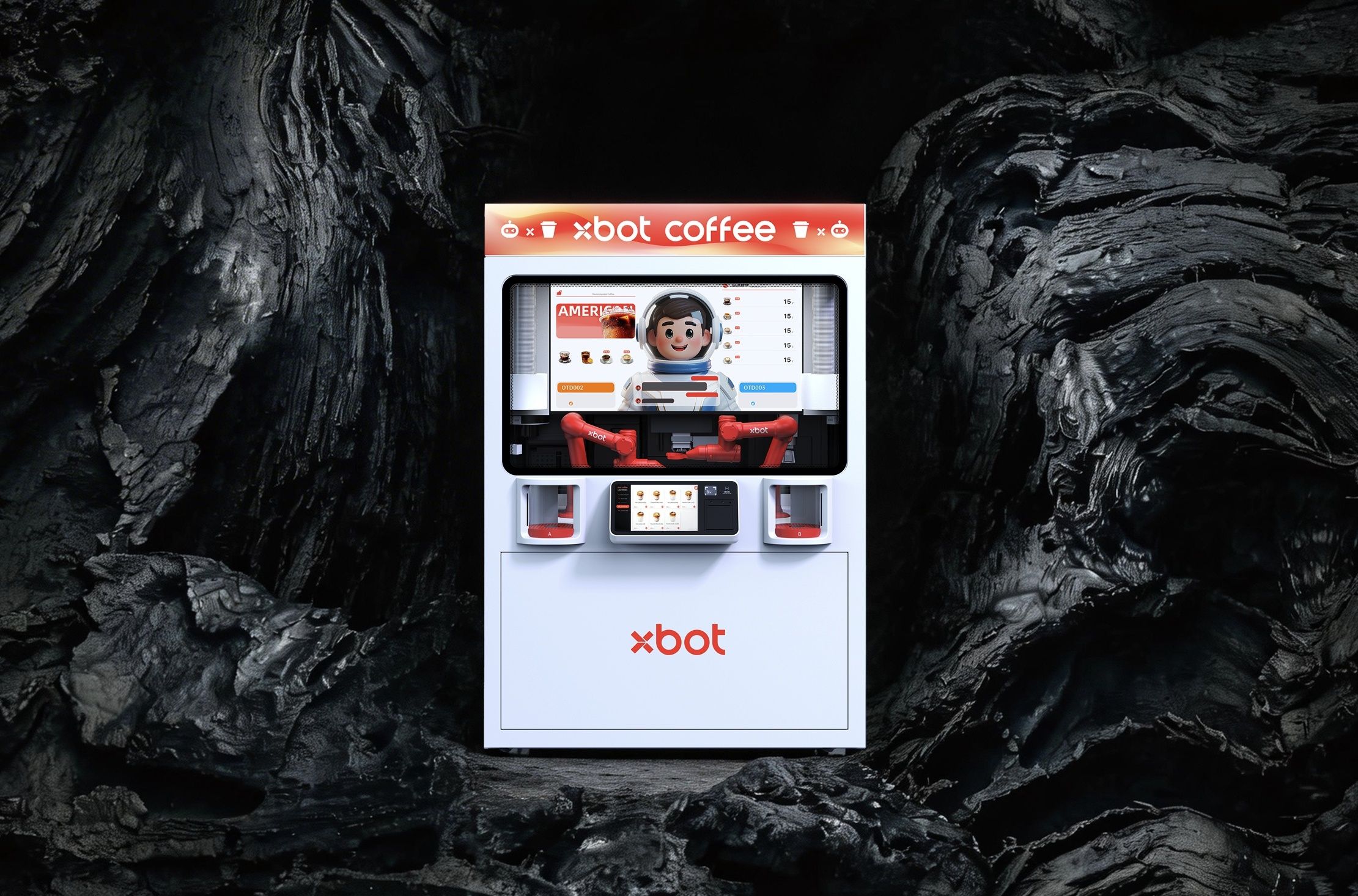
Not simply as a beverage machine, but as part of a broader retail operating model — one designed to help businesses integrate coffee service into modern commercial environments with greater consistency, lower operational friction, and more flexible deployment potential.
Because ultimately, the future of coffee in retail will likely be shaped less by novelty and more by operational logic.
The retailers that succeed will not necessarily be the ones offering the most complicated beverage programs.
They will be the ones building the most sustainable ones.